The Gap Nobody Tracks: How Positive TB Tests Disappear Into a System That Was Never Designed to Follow Up
The Moment the System Should Spring Into Action
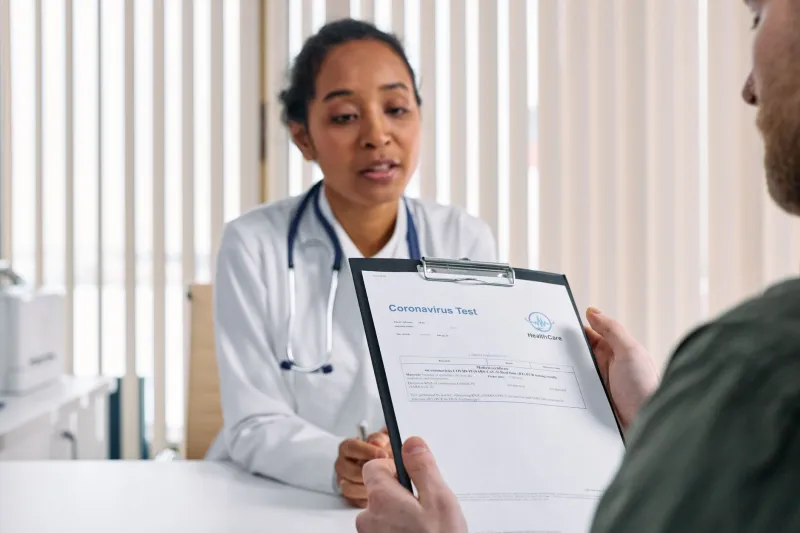
A laboratory result arrives. The interferon-gamma release assay is positive. The patient, a 34-year-old warehouse worker who came in for a routine employment physical, has a tuberculosis infection that the test has now confirmed. The clinician who ordered the test has already seen six other patients that morning. The result populates in the electronic health record. What happens next?
In a well-functioning system, the answer is immediate and coordinated: the patient is contacted, a chest X-ray is ordered, a clinical evaluation is scheduled, and if active TB is ruled out, treatment for latent infection is initiated. The local or state public health department is notified. A follow-up appointment is confirmed.
In the American healthcare system as it actually operates, the answer is far less predictable — and far more dangerous.
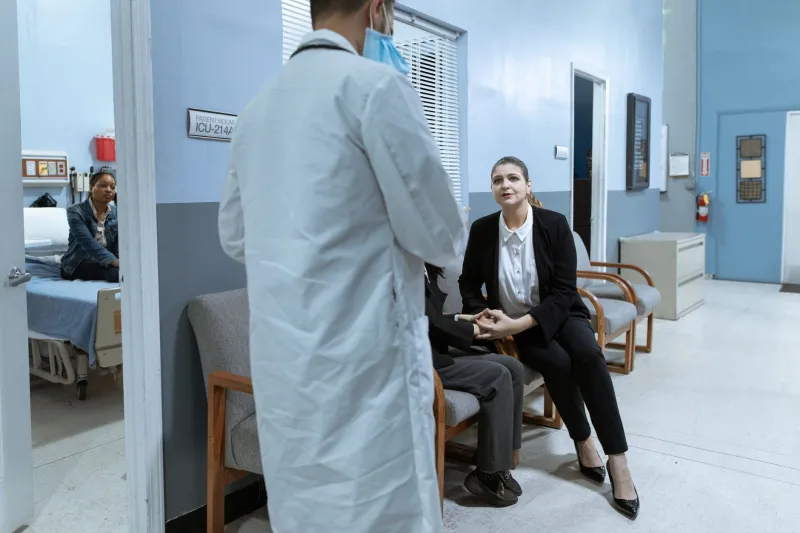
For a significant proportion of patients who receive a positive TB test result, the weeks that follow are characterized not by coordinated care but by silence, confusion, and institutional friction. Phone calls go unreturned. Referrals are sent to specialists who have no TB capacity. Public health notifications are delayed. Patients, unsure of what their result means or what they are supposed to do next, wait. And in waiting, some disappear from the system entirely.
A Fragmented Notification Pipeline
The pathway from a positive TB test to treatment initiation involves multiple independent actors: the laboratory that processes the test, the ordering clinician, the healthcare facility's administrative infrastructure, the patient, and in many cases the local or state public health department. Each handoff in this chain is a potential point of failure.
Laboratories are required to report certain TB-related findings to public health authorities, but reporting timelines vary by state, and the systems used to transmit that information range from modern electronic interfaces to fax machines. In jurisdictions where public health departments are understaffed — which describes the majority of local health departments following years of chronic underfunding — incoming reports may not be reviewed promptly.
On the clinical side, the responsibility for following up with a patient after a positive result typically falls to the ordering provider. But in high-volume clinical environments, a result that arrives days after the original encounter may receive less attention than it warrants. Physicians working in urgent care settings, federally qualified health centers, and community clinics often lack dedicated staff to manage TB result follow-up. The result is a system in which positive findings are documented but not necessarily acted upon.
A 2022 analysis of TB case management practices in several US metropolitan areas found that the median time between a positive IGRA result and first clinical evaluation exceeded three weeks in multiple jurisdictions. In cases where patients had no established relationship with a primary care provider, the median extended further still. Three weeks is not a trivial delay. For a patient with undiagnosed active tuberculosis, it is three weeks of potential transmission.
Contact Tracing: The Second Line That Often Doesn't Hold
When a case of active tuberculosis is identified, contact tracing becomes the primary tool for preventing further spread. Public health investigators work to identify individuals who may have been exposed, test them, and initiate treatment where appropriate. It is painstaking work that depends on timely case notification, adequate staffing, and patient cooperation.
All three of those conditions are increasingly difficult to guarantee.
Contact tracing capacity was severely strained during the COVID-19 pandemic, and while some jurisdictions have rebuilt their infectious disease investigation infrastructure, many have not. TB-specific contact tracing — which requires different expertise and longer follow-up timelines than COVID-19 investigation — has suffered in particular. Experienced TB nurses and disease investigators have retired or moved to other roles. Their institutional knowledge has not always been transferred.
The result is a contact tracing system that is slower, less thorough, and more likely to miss exposed individuals than it was a generation ago. Patients identified through contact investigations are not always reached before their exposure window has closed. Those who are reached do not always receive timely follow-up testing. And those who test positive through contact investigation face the same follow-up pipeline failures that affect all TB-positive patients.
The Patient's Experience of Being Lost
It is worth pausing to consider what this looks like from the patient's perspective. A person who has just learned that they have a positive TB test result is often frightened and confused. Tuberculosis carries social stigma that compounds the clinical anxiety. Many patients, particularly those who are uninsured, undocumented, or have had negative experiences with the healthcare system, are already reluctant to engage.
When that patient does not receive a clear, timely communication about what their result means and what they need to do next, the most common outcome is disengagement. They do not call the clinic back. They do not follow up on the referral they were given. They tell themselves the test was probably wrong, or that they feel fine, or that they will deal with it later.
This is not a failure of individual responsibility. It is a predictable consequence of a system that places the burden of follow-up on the patient while providing them with inadequate support to navigate it. Patients who receive a positive TB result deserve proactive, structured outreach — not a printout and a phone number.
What Structured Follow-Up Actually Requires
Several jurisdictions have demonstrated that closing the gap between positive test and treatment initiation is achievable with the right infrastructure. Programs that assign dedicated care coordinators to TB-positive patients — individuals whose sole responsibility is to ensure that positive results translate into completed evaluations and initiated treatment — have shown measurable reductions in the time between diagnosis and care.
Text-based outreach systems, which have proven effective in other areas of chronic disease management, offer a relatively low-cost mechanism for maintaining contact with patients between appointments. Automated reminders, combined with access to a human coordinator who can answer questions and address barriers, keep patients engaged during the critical weeks after a positive result.
Public health departments that have integrated their notification systems directly with clinical electronic health records — so that a positive result simultaneously triggers a patient outreach workflow and a public health notification — have reduced reporting delays and improved follow-up rates.
None of these solutions are technically complex. All of them require sustained investment and institutional commitment.
Accountability for a Gap That Has No Clear Owner
Perhaps the most troubling aspect of the follow-up failure problem is that it has no clear institutional owner. Laboratories report results and consider their obligation fulfilled. Clinicians document positive findings and await patient response. Public health departments process notifications when they arrive and investigate when they have capacity. No single entity is accountable for ensuring that every positive TB result becomes a treated patient.
Addressing that accountability gap is the central challenge. Whether through regulatory requirements that mandate structured follow-up protocols for TB-positive results, through public health funding that supports dedicated case coordination, or through health system quality metrics that track the interval between positive test and treatment initiation, the United States needs a mechanism that makes the follow-up gap visible — and makes someone responsible for closing it.
Positive TB tests do not treat themselves. The system that identifies them must also be the system that ensures they are addressed.