The Clinic on the Corner Is Missing Tuberculosis: Urgent Care's Unexamined Role in America's TB Crisis
Where Americans Actually Go for Care
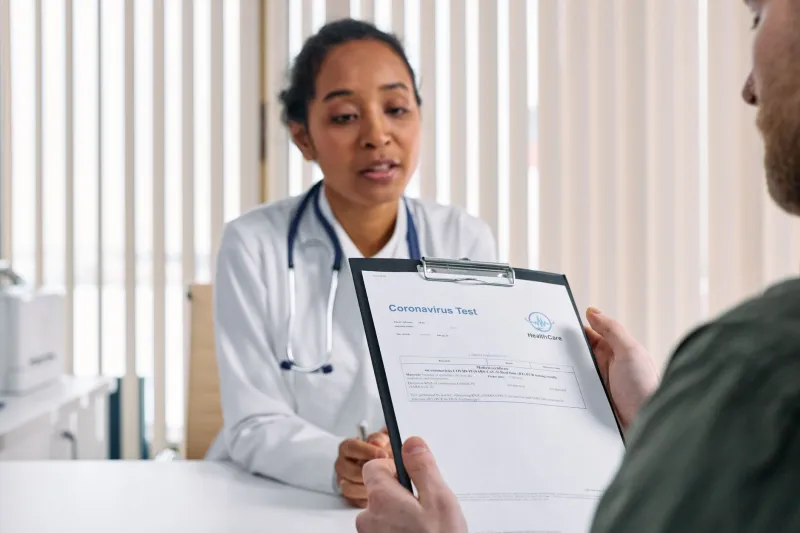
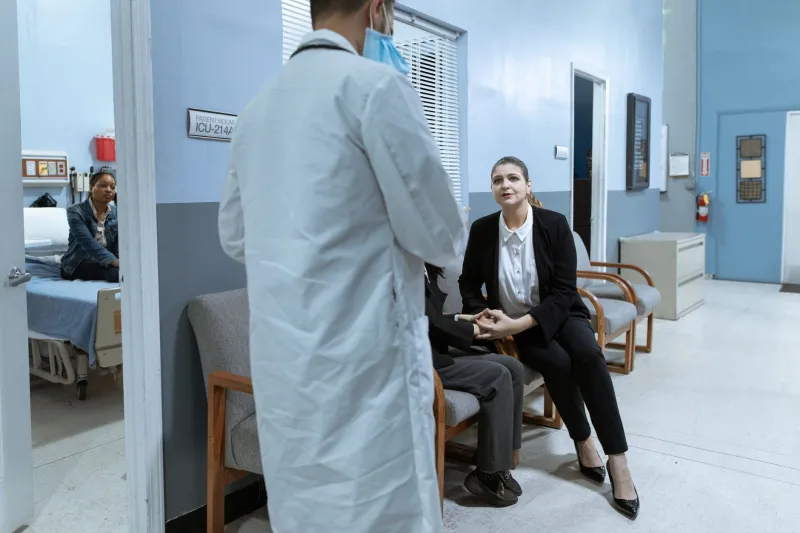
The image of tuberculosis diagnosis most Americans carry — a physician in a hospital examining a patient with a persistent cough, ordering a chest X-ray, running a tuberculin test — reflects a model of care that a shrinking proportion of the US population actually experiences. For the roughly 30 million Americans who are uninsured, and the many millions more who are underinsured or lack consistent access to a primary care physician, the urgent care center down the street is often the first and only clinical contact they will have.
The urgent care industry has grown dramatically over the past two decades. There are now more than 11,000 urgent care centers operating across the United States, concentrated in suburban retail corridors and urban neighborhoods alike. They are open evenings and weekends. They accept walk-ins. They do not require appointments or established patient relationships. For a significant segment of the American population, they represent healthcare as it is practically accessible.
They also represent a tuberculosis diagnostic blind spot of considerable proportions.
No Protocol, No Test, No Diagnosis
Unlike hospital systems, federally qualified health centers, or occupational health programs — all of which operate under some form of TB screening guidance — urgent care centers function in a regulatory environment that imposes no standardized requirements for tuberculosis screening or detection. The result is a patchwork of practices that varies not only between chains but between individual locations within the same chain.
Some urgent care centers stock tuberculin skin test supplies and have staff trained in their administration. Many do not. Interferon-gamma release assays, the blood-based TB testing method that does not require a patient to return for a result reading, are available at some locations through affiliated laboratories. At others, ordering such a test requires a referral process that a patient without a primary care physician is unlikely to complete.
More fundamentally, the clinical workflow at most urgent care centers is not designed to prompt TB screening in the first place. Patients present with an acute complaint — a cough, a fever, fatigue — and clinicians, operating under significant time pressure, address that complaint. The broader epidemiological question of whether this patient's symptoms, history, or risk profile warrants TB evaluation does not have a designated place in the urgent care encounter.
This is not a criticism of urgent care clinicians, who are generally skilled practitioners working under genuine constraints. It is a criticism of a system that has allowed a major healthcare access point to expand without ensuring it carries the infectious disease detection capabilities that the populations it serves require.
The Patients Who Fall Through
The populations most likely to rely on urgent care as their primary healthcare access point overlap substantially with the populations at highest TB risk. Recent immigrants, particularly those from countries with high TB burden, frequently use urgent care centers in the years before they establish consistent primary care relationships. Unhoused individuals, when they seek care at all, often do so at walk-in facilities. Gig economy workers without employer-sponsored insurance, young adults who have aged off parental coverage, and low-wage workers in high-risk occupational sectors all share both the urgent care utilization pattern and elevated TB risk profiles.
Consider the clinical presentation that urgent care centers encounter repeatedly: a patient in their late twenties or early thirties, born outside the United States, presenting with a cough that has persisted for several weeks, night sweats, and unintentional weight loss. These are textbook symptoms of active pulmonary tuberculosis. They are also symptoms that, in a busy urgent care setting, may prompt a diagnosis of viral upper respiratory infection, community-acquired pneumonia, or anxiety — and a prescription that sends the patient home without a TB evaluation.
There is no national registry that tracks how many active TB cases are initially misdiagnosed or missed entirely at urgent care facilities. The absence of that data is itself part of the problem. What public health surveillance does reveal is that delayed diagnosis of active tuberculosis is common, that the average time between symptom onset and TB diagnosis in the United States frequently exceeds several months, and that patients who lack consistent primary care relationships experience the longest diagnostic delays.
Structural Barriers Behind the Blind Spot
Understanding why urgent care centers have not developed robust TB screening capacity requires examining the economic and operational logic under which they function. Urgent care is, in most cases, a for-profit enterprise operating on high patient volume and efficient throughput. Extended clinical encounters, diagnostic tests that require follow-up visits, and complex case management are not well suited to the urgent care business model.
Tuberculosis screening and follow-up are inherently time-intensive. A tuberculin skin test requires the patient to return 48 to 72 hours later for a result reading — a follow-up visit that urgent care centers are not structured to coordinate or incentivize. IGRA testing, while it eliminates the return visit problem, requires laboratory infrastructure and result management workflows that vary widely across urgent care operators.
Reimbursement structures compound these challenges. TB screening and latent infection management are not high-revenue services. Insurers, including Medicaid, reimburse these services at rates that provide little financial incentive for urgent care operators to invest in the protocols and training necessary to provide them consistently.
The consequence is a rational, if deeply problematic, institutional decision to leave TB screening to other parts of the healthcare system — a system that a substantial proportion of urgent care patients do not regularly access.
What a Minimum Standard Would Look Like
Addressing the urgent care TB gap does not require transforming walk-in clinics into tuberculosis specialty centers. It requires establishing a minimum clinical standard that reflects the populations these facilities serve and the infectious disease risks those populations carry.
At a basic level, that standard would include a brief, structured TB risk assessment integrated into the urgent care intake process — a small set of questions about country of birth, recent travel, known exposures, and symptom duration that flags patients for whom TB evaluation is warranted. It would ensure that facilities serving high-prevalence communities have access to IGRA testing through affiliated laboratories, with result management workflows that include patient notification and follow-up guidance.
For patients who screen positive or present with TB-consistent symptoms, clear referral pathways to public health TB clinics or infectious disease specialists — with warm handoffs rather than paper referrals — would dramatically reduce the risk of patients being lost between diagnosis and care.
Several states have begun exploring urgent care TB screening standards through their public health regulatory frameworks. Federal guidance from the Centers for Disease Control and Prevention, updated to specifically address urgent care settings, would provide the national foundation that state-by-state variation currently cannot.
Aligning Diagnosis With How People Actually Seek Care
The American healthcare system has spent decades building tuberculosis detection infrastructure around a model of care that assumes patients have primary care physicians, keep appointments, and navigate the system reliably. For a substantial and growing portion of the US population, that assumption is false.
The urgent care center on the corner is where those patients go. It is open when primary care offices are closed. It is accessible without an established relationship. It is, for millions of Americans, the healthcare system.
If the United States is serious about ending tuberculosis, it must build TB detection capacity where patients actually are — not where the system assumes they should be. Urgent care centers are not a peripheral element of the American healthcare landscape. They are, for far too many Americans, its center. It is past time to treat them accordingly.