StopTB Initiative Advancing the End of Tuberculosis in America

StopTB Initiative

Advancing the End of Tuberculosis in America

Latest Articles

Recovery Without a Safety Net: The Dangerous Absence of TB Screening Inside America's Addiction Treatment Centers
Investigative Health Reporting

Recovery Without a Safety Net: The Dangerous Absence of TB Screening Inside America's Addiction Treatment Centers

Addiction treatment facilities across the United States are welcoming patients in acute medical vulnerability while systematically overlooking one of the oldest infectious diseases in human history. Tuberculosis thrives in the exact conditions these programs create — shared sleeping quarters, compromised immune systems, and high residential turnover — yet TB screening remains absent from most standard intake protocols. This investigation examines why substance use disorder programs must urgently

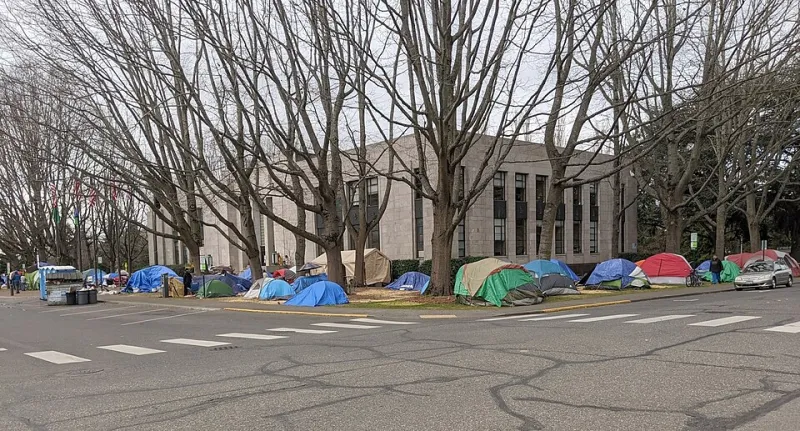
No Address, No Record, No Treatment: How America's Shelter System Is Losing the Fight Against Tuberculosis
Investigative Health Reporting

No Address, No Record, No Treatment: How America's Shelter System Is Losing the Fight Against Tuberculosis

Across the United States, homeless shelters have become quiet incubators for tuberculosis transmission, where crowded sleeping quarters, fractured care systems, and the absence of standardized screening protocols allow the disease to spread undetected for months. Without a permanent address, many individuals cycle through shelters, emergency rooms, and the streets — carrying active or latent TB into every environment they enter. This investigation examines why the infrastructure designed to prot

Months Between Exposure and Answer: The Geographic Crisis in American TB Diagnostics
Investigative Health Reporting

Months Between Exposure and Answer: The Geographic Crisis in American TB Diagnostics

Across wide swaths of rural and underserved America, patients suspected of tuberculosis infection routinely wait four to eight weeks for confirmatory test results—delays that allow transmission to continue and treatment to stall. A combination of centralized laboratory processing, vanishing local infrastructure, and chronic funding shortfalls has carved diagnostic deserts into the national TB response. This investigation maps those gaps and examines the decentralized rapid-testing models that ex

Cleared to Enter, Free to Spread: The Dangerous Gaps in America's Immigrant TB Screening System
Investigative Health Reporting

Cleared to Enter, Free to Spread: The Dangerous Gaps in America's Immigrant TB Screening System

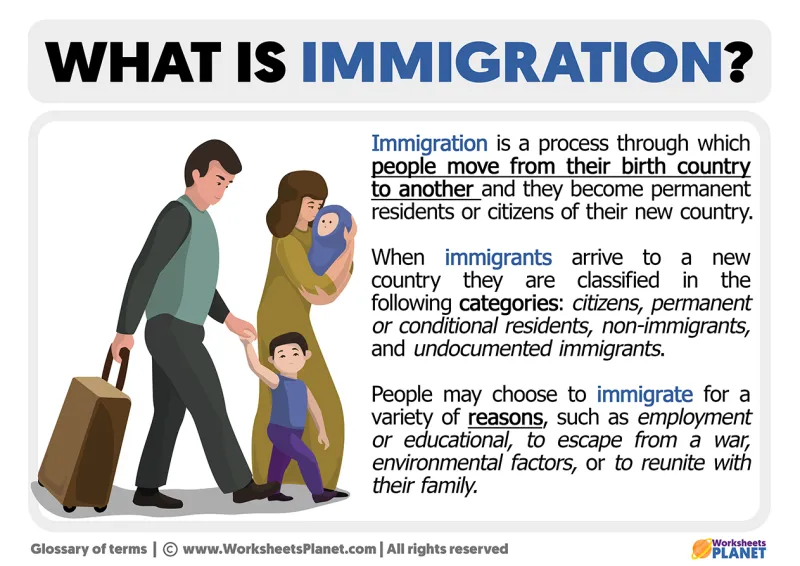
Tens of thousands of immigrants arrive in the United States each year having passed mandatory tuberculosis screenings that were never designed to catch every active case. An investigative examination reveals how outdated testing protocols, fragmented follow-up systems, and bureaucratic delays are allowing infectious TB to enter American communities undetected, with consequences that extend far beyond the individuals who slip through.

Investigative Health Reporting

Broken Links: How Fragile Drug Supply Chains Are Leaving TB Patients Without Medication Mid-Treatment

When tuberculosis medication runs out mid-regimen, patients face outcomes far worse than a delayed prescription refill — incomplete treatment fuels drug resistance and increases transmission risk. An investigation into America's tuberculosis drug supply chain reveals systemic vulnerabilities rooted in manufacturing consolidation, distribution inequities, and federal oversight gaps that are quietly undermining decades of public health progress.

Data Rich, Action Poor: Why America's Tuberculosis Response Is Failing to Harness the Social Determinants It Already Knows
Investigative Health Reporting

Data Rich, Action Poor: Why America's Tuberculosis Response Is Failing to Harness the Social Determinants It Already Knows

American health systems collect mountains of data on housing instability, food insecurity, and transportation barriers—yet this intelligence rarely shapes TB clinical decisions or resource deployment. A growing number of pioneering health systems are beginning to change that, using social determinants data to predict outbreaks, personalize prevention, and force policy accountability. The gap between what we know and what we do may be costing lives.

Hidden in Plain Sight: How Behavioral Health Clinics Are Failing to Catch Tuberculosis in America's Most Vulnerable Patients
Investigative Health Reporting

Hidden in Plain Sight: How Behavioral Health Clinics Are Failing to Catch Tuberculosis in America's Most Vulnerable Patients

Patients seeking care for depression, anxiety, and substance use disorders frequently carry elevated tuberculosis risk—yet most behavioral health facilities lack any standardized protocol for TB screening at intake. This investigation examines the structural and cultural gaps separating two public health crises that share the same patient population, and what integrated care models could mean for ending TB transmission in America.

Expecting the Unexpected: How Tuberculosis Hides in Plain Sight During Pregnancy and the First Year of Life
Patient Education & Public Health

Expecting the Unexpected: How Tuberculosis Hides in Plain Sight During Pregnancy and the First Year of Life

Tuberculosis poses a profound but frequently unrecognized threat to pregnant women and their newborns across the United States, yet obstetric training rarely equips providers to identify it. From vertical transmission risks to the diagnostic challenges of TB disease during pregnancy, the gaps in maternal health protocols are leaving two of the most vulnerable populations unprotected. Integrating TB awareness into standard prenatal and postnatal care is no longer optional — it is a public health

Blind Spots in the Endocrinology Clinic: Why Diabetes Specialists Must Become the Next Line of Defense Against Tuberculosis
Investigative Health Reporting

Blind Spots in the Endocrinology Clinic: Why Diabetes Specialists Must Become the Next Line of Defense Against Tuberculosis

Patients with diabetes face two to three times the tuberculosis risk of the general population, yet most endocrinologists receive little to no training in TB detection. As America's diabetes epidemic continues to expand, a critical screening gap is quietly allowing tuberculosis to progress unnoticed inside specialty clinics never designed to catch it.

What Medical Schools Forgot to Teach: How a Generation of American Physicians Is Missing Tuberculosis in Plain Sight
Investigative Health Reporting

What Medical Schools Forgot to Teach: How a Generation of American Physicians Is Missing Tuberculosis in Plain Sight

Tuberculosis has quietly disappeared from the core training of American medical students, even as the disease resurfaces in communities across the country. This investigation reveals how shrinking classroom hours, outdated assumptions, and competing curricular demands have produced a generation of physicians ill-equipped to recognize one of history's most persistent infectious diseases. The consequences for patients — and for public health — are only beginning to surface.

Small Patients, Overlooked Diagnoses: Closing the Tuberculosis Detection Gap in American Pediatric Care
Patient Education & Public Health

Small Patients, Overlooked Diagnoses: Closing the Tuberculosis Detection Gap in American Pediatric Care

Childhood tuberculosis in the United States is frequently missed or delayed due to nonspecific symptoms, limited clinician experience, and inconsistent screening protocols in pediatric settings. The consequences extend beyond individual patients, creating silent reservoirs of infection within families and communities. This article examines the diagnostic challenges unique to children and outlines evidence-based steps pediatricians can take to improve early detection.

Revolving Doors and Rising Risk: How America's Pretrial Jails Are Quietly Spreading Tuberculosis Into the Community
Investigative Health Reporting

Revolving Doors and Rising Risk: How America's Pretrial Jails Are Quietly Spreading Tuberculosis Into the Community

America's pretrial detention facilities—where the unconvicted wait, often for weeks or months, in dangerously overcrowded conditions—have become overlooked incubators for tuberculosis transmission. Unlike prisons, these jails operate with little standardized health infrastructure, creating a silent pipeline that carries TB from cells into neighborhoods. This investigation examines what public health officials, defense attorneys, and detention health workers know, and what policymakers continue t

Around the Clock Against an Ancient Disease: How 24/7 TB Diagnostic Hubs Are Closing the Gap Between Exposure and Treatment
Investigative Health Reporting

Around the Clock Against an Ancient Disease: How 24/7 TB Diagnostic Hubs Are Closing the Gap Between Exposure and Treatment

In a handful of American cities, tuberculosis testing no longer stops when the workday ends. A new generation of round-the-clock diagnostic facilities is compressing the timeline between exposure and treatment initiation — and early patient outcomes data suggests the model may be one of the most consequential operational innovations in domestic TB control in decades.

Neighbors as Healers: The Quiet Power of Community Health Workers in America's Fight Against Tuberculosis
Patient Education & Public Health

Neighbors as Healers: The Quiet Power of Community Health Workers in America's Fight Against Tuberculosis

Across underserved American neighborhoods, a growing corps of community health workers is achieving what clinic-based medicine often cannot: reaching TB patients where they live, speaking their language, and guiding them through the full arc of treatment. Yet chronic underfunding and a persistent lack of professional recognition threaten to dismantle one of public health's most effective tools in the effort to end tuberculosis in the United States.

Priced Out of Prevention: How America's Insurance Patchwork Is Keeping TB Screening Out of Reach
Investigative Health Reporting

Priced Out of Prevention: How America's Insurance Patchwork Is Keeping TB Screening Out of Reach

Millions of Americans at elevated risk for tuberculosis are going unscreened not because testing is unavailable, but because their insurance coverage makes it effectively inaccessible. A growing body of evidence reveals that prior authorization requirements, fragmented state-level policies, and coverage exclusions are quietly undermining the nation's tuberculosis control efforts—often with fatal consequences.

Investigative Health Reporting

Breathless and Overlooked: How America's Emergency Rooms Are Missing Tuberculosis in Plain Sight

Across the United States, patients with active tuberculosis are walking into emergency departments, receiving treatments for other conditions, and walking back out—still infectious, still undiagnosed. A systemic failure in ER screening protocols is allowing one of the world's oldest infectious diseases to slip through the cracks of the country's most critical care settings. This investigation examines the clinical blind spots, institutional pressures, and human costs behind the TB testing gap in

Investigative Health Reporting

Invisible at Work: How American Occupational Health Systems Are Overlooking Tuberculosis in High-Risk Industries

Across healthcare facilities, correctional institutions, and food service establishments, corporate wellness programs are routinely failing to detect active tuberculosis cases among workers. Despite decades of established screening protocols, a persistent gap between general occupational health initiatives and TB-specific surveillance is leaving employees and the public unknowingly at risk. This investigation examines why the workplace remains one of America's most underexamined vectors of tuber

Patient Education & Public Health

Rewriting the Story of TB: Why Dismantling Stigma Is as Urgent as Developing New Drugs

Tuberculosis in America carries a cultural weight far heavier than its clinical profile alone would warrant — a legacy of shame, poverty, and social exclusion that continues to delay diagnosis and discourage treatment-seeking decades after effective therapies became widely available. Shifting public perception of TB from a mark of moral failure to a treatable medical condition is not a secondary concern for public health advocates; it is a prerequisite for ending the epidemic. This piece examine

Locked In, Packed In, Left Exposed: The Congregate Settings Quietly Fueling Tuberculosis Transmission Across America
Patient Education & Public Health

Locked In, Packed In, Left Exposed: The Congregate Settings Quietly Fueling Tuberculosis Transmission Across America

Prisons, homeless shelters, nursing homes, and food processing facilities share more than crowded conditions—they share a dangerous vulnerability to tuberculosis outbreaks that public health systems have been slow to address. Despite documented transmission chains in these environments, infection control standards remain inconsistently enforced and surveillance gaps persist. Understanding how TB moves through congregate settings is essential for any community serious about protecting its most ex

Investigative Health Reporting

Resistance Rising: How Drug-Resistant Tuberculosis Is Rewriting the Rules of American Public Health

Multidrug-resistant tuberculosis is no longer a distant global concern—it is quietly reshaping clinical protocols, straining healthcare budgets, and challenging the foundational assumptions of TB management across the United States. As resistance patterns grow more complex, infectious disease specialists are confronting a disease that increasingly defies the treatment tools built to contain it. This investigation examines the science, the patients, and the systemic pressures behind one of public